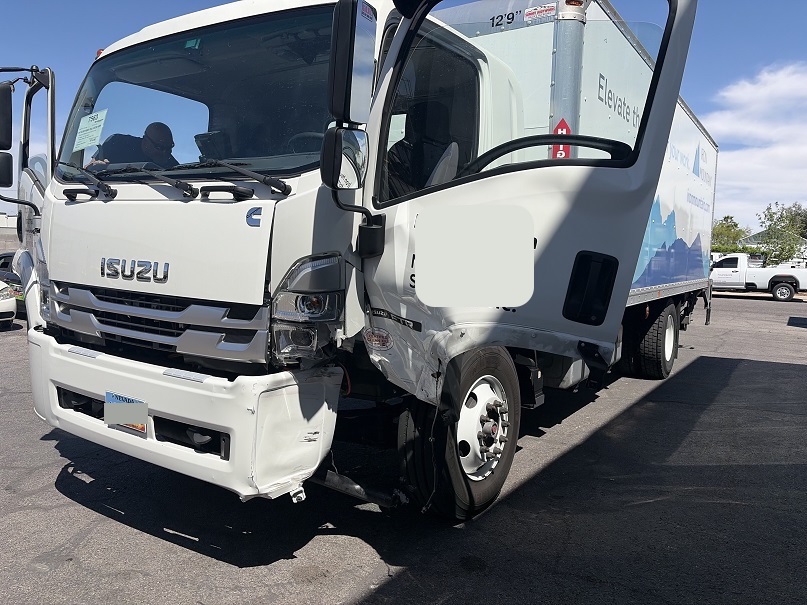
Insurers default to the cheapest part that will fit. Sometimes that’s fine. Sometimes it isn’t, and the difference shows up in fit, in safety systems, or in a warranty claim two years from now.
OEM parts come from the vehicle manufacturer to original specification. Aftermarket parts are made by third parties — quality ranges from excellent to poor. Recycled/LKQ parts are original components from another vehicle.
Where OEM matters most: anything structural, anything a driver-assistance sensor mounts to or looks through, and any panel where a millimetre of fit error becomes a visible gap. A bumper cover that holds a radar module isn’t a cosmetic part.
Where aftermarket is often reasonable: non-structural cosmetic pieces on an older vehicle, particularly when the alternative is a repair that isn’t economical at all.
You can ask. Your estimate lists what’s being used, and if the repair procedure calls for OEM we’ll make that case to the adjuster on your behalf — with documentation. That argument is the shop’s job, not the customer’s.